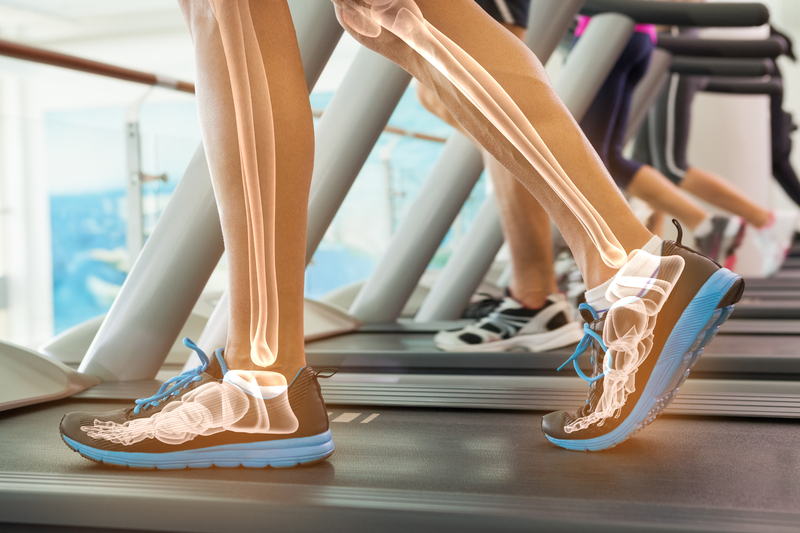
Breaking a bone ranks high on the list of fears people have after age 50 or so.
Arthritis is increasingly common.
And while osteoporosis is most common among older women, it can occur in anyone.
Still, many people worried about bone health don’t realize that they can take steps to improve it. And one of the best things anyone can do for stronger bones is simple: Exercise.
It’s not just us talking. Science is clear about this.
The Role Exercise Plays
“Exercise works by improving muscle mass, strength, balance and coordination,” says the National Institutes of Health.
“Research indicates that postmenopausal women who engage in the comprehensive exercise program, benefit by maintaining a healthy body, bone density levels, and good mental health,” the US government agency says. “Osteoporosis, the greatest ailment in older women, can be kept under control with exercise.
“Even a moderate exercise schedule can not only keep the weight in check, but it also lowers the risk of stress, anxiety, and depression.”
In the United Kingdom, a new effort is underway to promote awareness about osteoporosis – including the powerful role exercise can play against it.
The Royal Osteoporosis Society (ROS) has announced an ambitious new four-year strategy. This is a response to “record demand” for help during the pandemic, the society says.
“Half of women and a fifth of men over 50 will suffer a fracture (broken bone) because of osteoporosis,” it says. In the UK, “There are over half a million fractures every year because of the condition. As many people die from fracture-related causes as from diabetes and lung cancer.
“Osteoporosis is treatable and fractures preventable. With an early diagnosis and the right treatment plan, people affected can live well.”
What Causes Weaker Bones
Osteoporosis, which means “porous bones,” causes bones to thin and weaken, leaving them at greater risk of breaking. About 2 million fractures in the US each year are due to osteoporosis.
Most people who have it are women, largely due to hormonal changes that come with menopause.
What can you do about it?
First, talk to your doctor about exercise and nutrition, particularly protein, Vitamin D and calcium.
Strength training is crucial to developing bone strength and density. It also improves balance to lower the risk of falling.
And low-impact exercise on your feet is also recommended. That includes walking, dancing, elliptical trainers, stair climbing and gardening.
For arthritis, we also need to discuss mobility exercises that take your joints through their complete range of motion.
And if you’re expecting joint replacement surgery, then “pre-habbing” with exercise is often important to recovery.
Our bodies change as we age, and that’s OK. In fact, we should celebrate it with targeted, effective exercise that helps us make the most of where we are in life.
I am here to help keep you moving in the right direction. Contact me today.
Additional sources: WebMD, Mayo Clinic

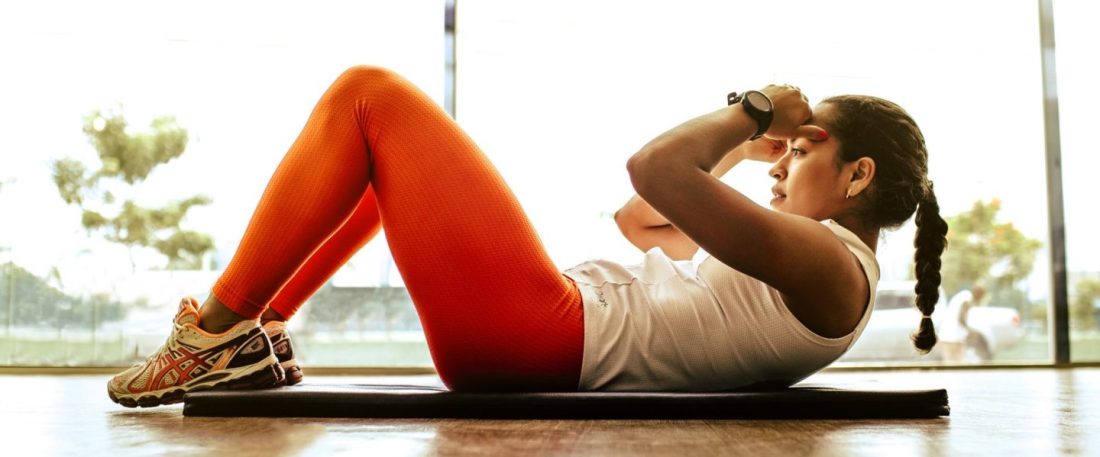
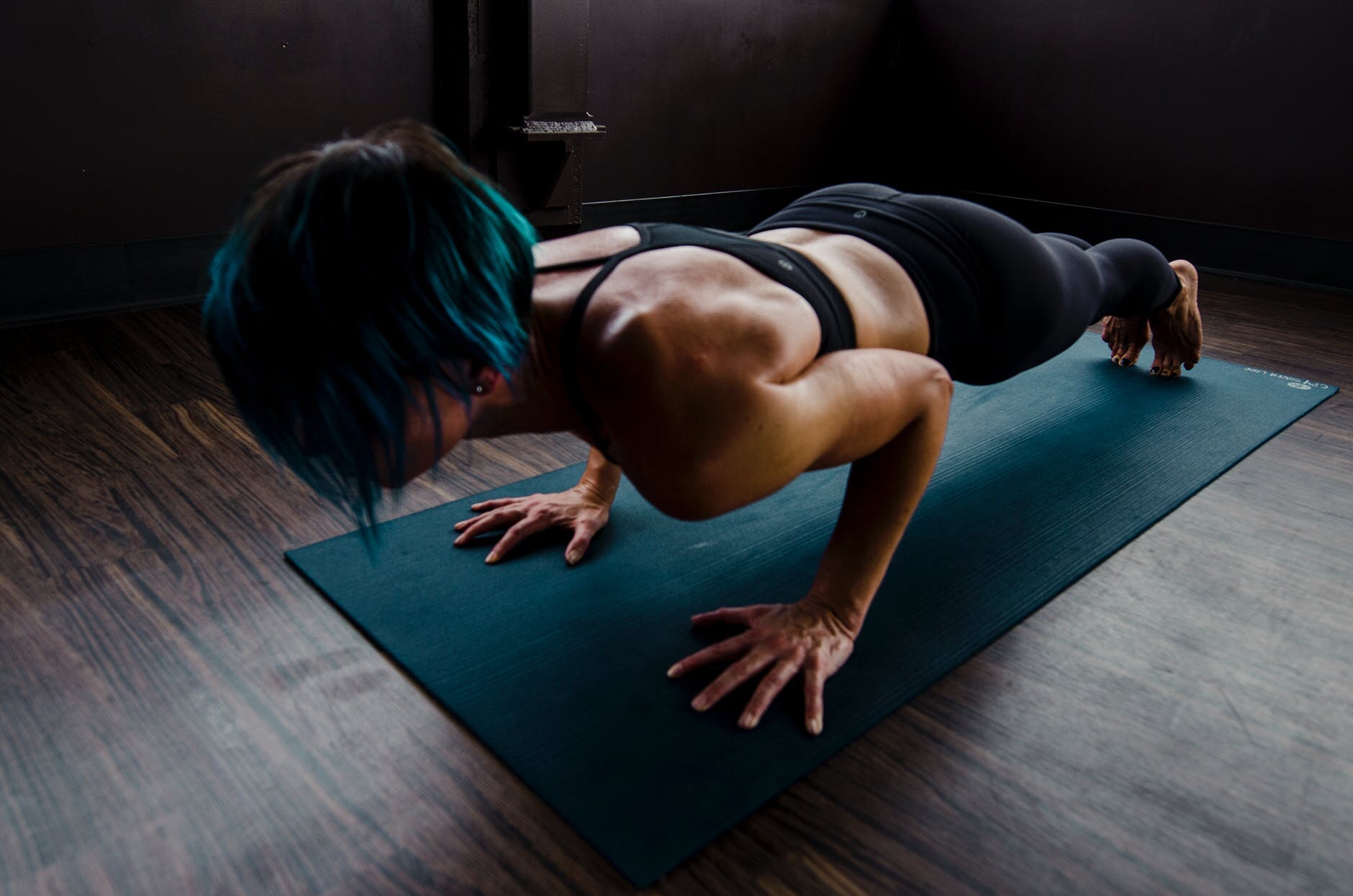 It’s funny how we take some of the daily life activities like movement for granted. I remember when I was younger my body moved with ease. There was no problem with bending, twisting, squatting, lifting, pushing, and pulling. My body moved in alignment with all the other body parts. For most, that is how it is. We were able to do basic functional movements without thinking, well we still kind of do. But when we’re younger our bodies moved with less effort and without aches and squeaks. But things change. We’ll notice as I get older we may have to put a little more effort in our movements; not to mention have a few aches, pains, and squeaks accompany our movements 🙄. Have you ever wondered why this happens, other than just aging, and how we may be able to improve our functional movement as we age?
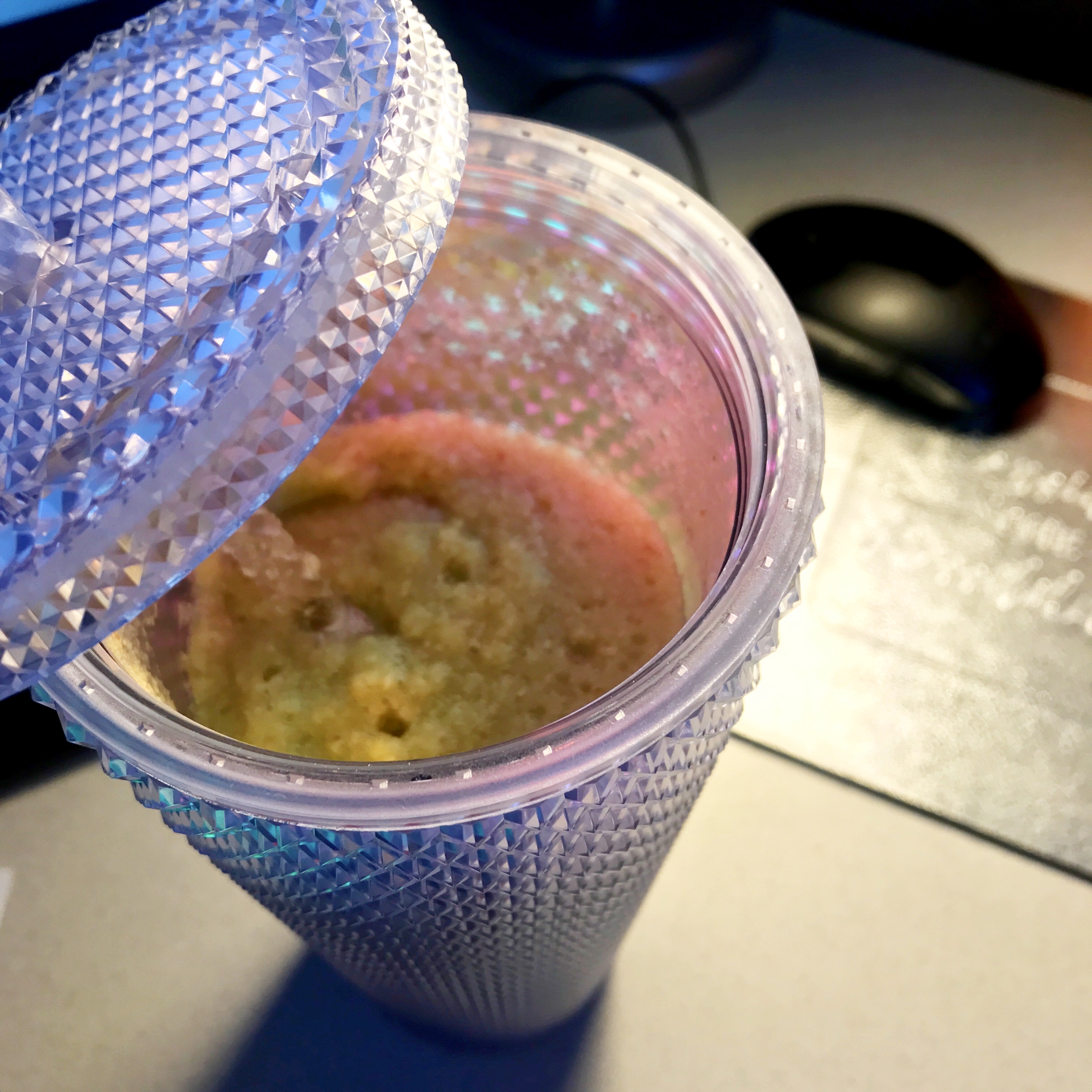 This light but powerful green smoothie treat fueled my body and helped me make it through a super busy week without feel sluggish and able to get the many task at hand done.
 Fitness For Healthy Living by Connie B.


