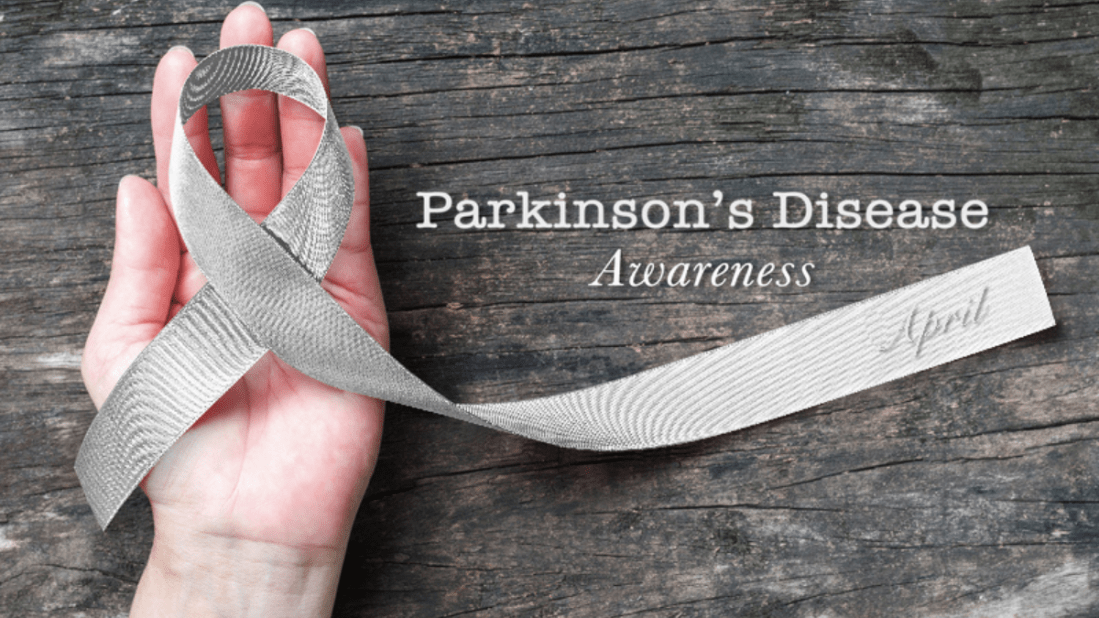
Exercise Helps Fight Symptoms of Parkinson’s Disease

Sheri knew something was wrong.

She’d always been active, particularly enjoying daily walks. But lately her balance and posture were off. Her knees jerked. Her hands trembled.

So when her doctor diagnosed her with Parkinson’s disease last year, it was almost a relief.

“At least now I knew,” says Sheri, 73.

She started an exercise regimen designed to help relieve some of the symptoms of Parkinson’s. It started working quickly. Sheri felt less pain, and her balance and posture improved. And she has stayed committed to staying active.

“Movement is the most important thing,” she says, noting her support group – adult children, “prayer partners,” and friends who stay in touch with her.

More Than 10 Million Cases Globally

April is Parkinson’s Disease Awareness Month and a good time to discuss how exercise can lessen its symptoms and improve quality of life.

Parkinson’s is a neurodegenerative disorder that affects the brain, and symptoms can include tremors, problems with walking and balance, and limb rigidity. 

More than 10 million people worldwide have it, according to the Parkinson’s Foundation. In the US alone, more than 60,000 people are diagnosed each year, almost all of them after age 50.

The cause is unknown. There is no cure. Treatments include medication and surgery, says the Parkinson’s Foundation. It is not fatal itself. But complications are the 14th leading cause of death in the US, says the Centers for Disease Control.

Exercise Is Essential

“Any kind of exercise you do consistently will help improve your Parkinson’s symptoms and overall health,” the Parkinson’s Foundation says. That’s because exercise might slow the progression of the disease. It also:

  • Improves muscles, bones, flexibility and balance
  • Helps with lung capacity
  • Keeps you socially active
  • Boosts confidence and mood

Boxing is an increasingly common activity for Parkinson’s patients. “Non-contact boxing-inspired classes can reverse, reduce and even delay the symptoms,” says Rock Steady Boxing.

“Boxers condition for optimal agility, speed, muscular endurance, accuracy, balance, hand-eye coordination, footwork and overall strength to defend against and overcome opponents,” Rock Steady says. “Parkinson’s causes a loss in many of the same elements that boxers condition to improve.”

Also, the Parkinson’s Foundation recommends activities such as:

  • Golf
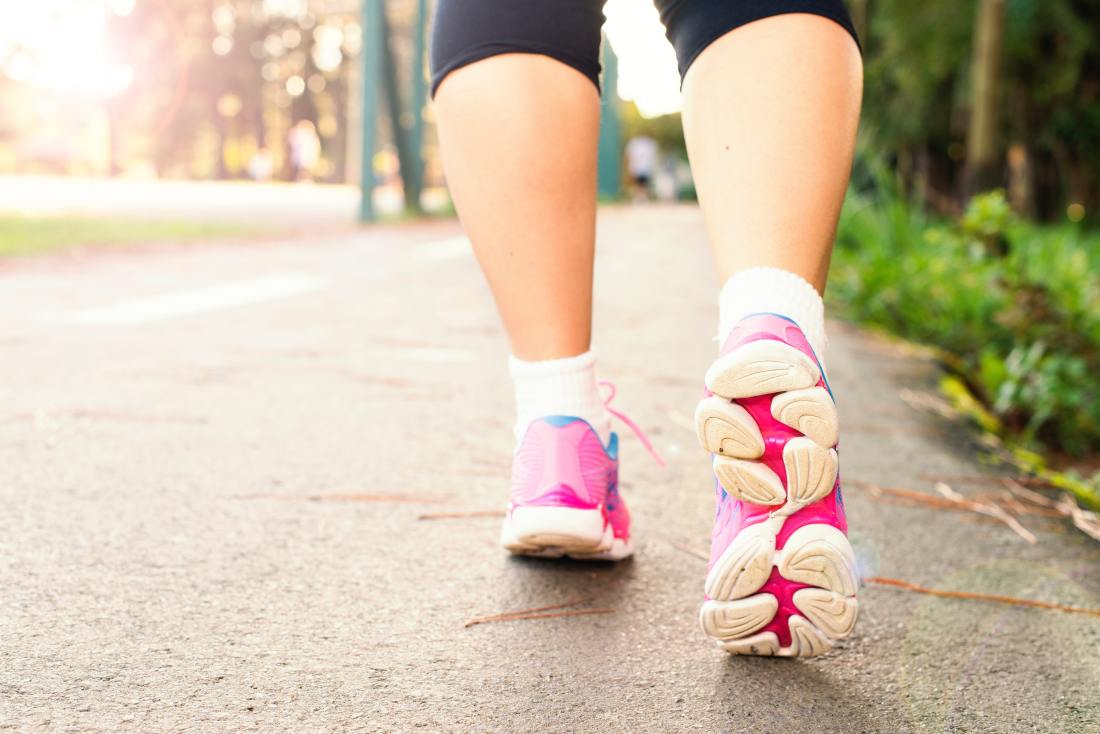
  • Walking
  • Bicycling
  • Dancing, since learning steps while moving can boost cognition, like boxing exercises
  • Swimming
  • Tai chi and yoga to help with balance

Exercise Gives Back Some Control

Sheri says she’s committed to her walking routines and other activities. It helps her feel better physically, but it also boosts her spirits. 

“This is something I can control,” she says. “I felt so out of control with the Parkinson’s. And this just helps me feel so good, I can’t tell you.

“In the evenings, if I’m down in the dumps, I make myself go out walking and it makes such a difference. I’ve been blessed that it’s not worse and that there’s something I can do to help it.”

Featured

Want Stronger Bones? Exercise Regularly

Breaking a bone ranks high on the list of fears people have after age 50 or so.
 
Arthritis is increasingly common.
 
And while osteoporosis is most common among older women, it can occur in anyone.
 
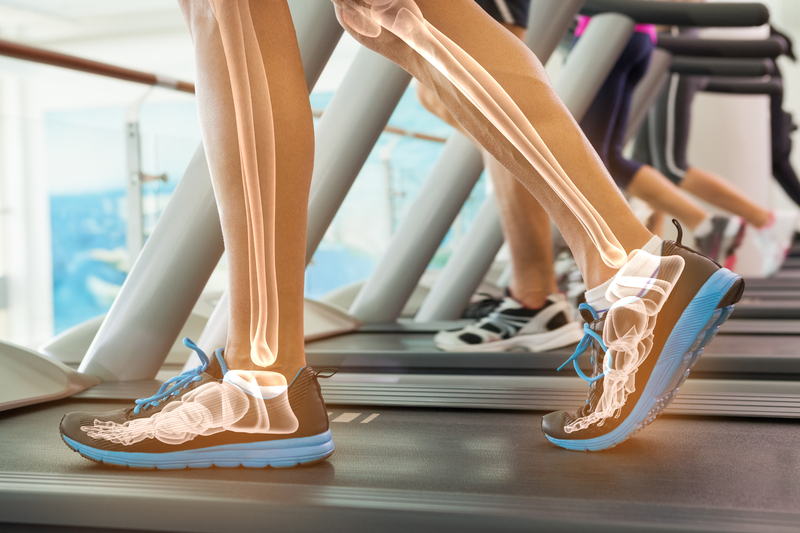
Still, many people worried about bone health don’t realize that they can take steps to improve it. And one of the best things anyone can do for stronger bones is simple: Exercise.
 
It’s not just us talking. Science is clear about this.

The Role Exercise Plays

“Exercise works by improving muscle mass, strength, balance and coordination,” says the National Institutes of Health.

“Research indicates that postmenopausal women who engage in the comprehensive exercise program, benefit by maintaining a healthy body, bone density levels, and good mental health,” the US government agency says. “Osteoporosis, the greatest ailment in older women, can be kept under control with exercise.

“Even a moderate exercise schedule can not only keep the weight in check, but it also lowers the risk of stress, anxiety, and depression.”

In the United Kingdom, a new effort is underway to promote awareness about osteoporosis – including the powerful role exercise can play against it.

The Royal Osteoporosis Society (ROS) has announced an ambitious new four-year strategy. This is a response to “record demand” for help during the pandemic, the society says.

“Half of women and a fifth of men over 50 will suffer a fracture (broken bone) because of osteoporosis,” it says. In the UK, “There are over half a million fractures every year because of the condition. As many people die from fracture-related causes as from diabetes and lung cancer.

“Osteoporosis is treatable and fractures preventable. With an early diagnosis and the right treatment plan, people affected can live well.”

What Causes Weaker Bones

Osteoporosis, which means “porous bones,” causes bones to thin and weaken, leaving them at greater risk of breaking. About 2 million fractures in the US each year are due to osteoporosis.

Most people who have it are women, largely due to hormonal changes that come with menopause.

What can you do about it?

First, talk to your doctor about exercise and nutrition, particularly protein, Vitamin D and calcium.

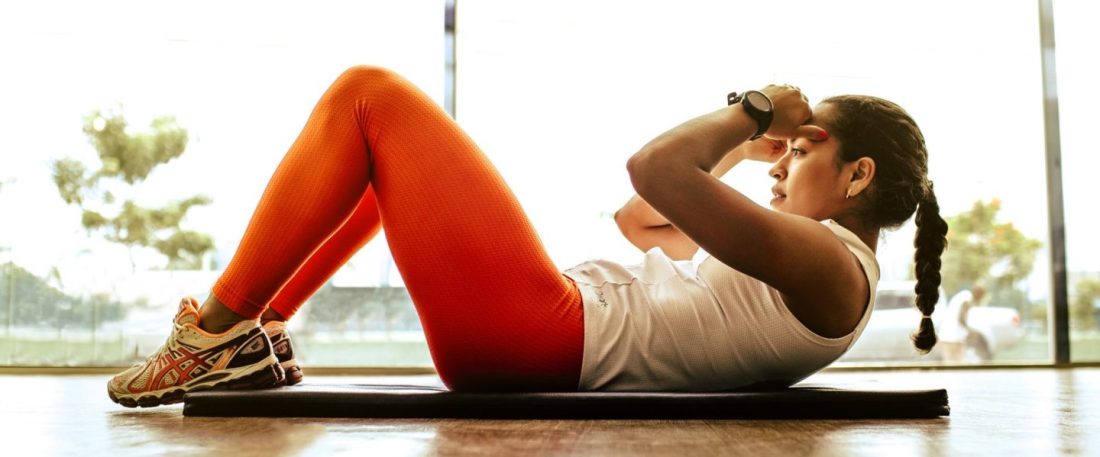
Strength training is crucial to developing bone strength and density. It also improves balance to lower the risk of falling.

And low-impact exercise on your feet is also recommended. That includes walking, dancing, elliptical trainers, stair climbing and gardening.

For arthritis, we also need to discuss mobility exercises that take your joints through their complete range of motion.

And if you’re expecting joint replacement surgery, then “pre-habbing” with exercise is often important to recovery.

Our bodies change as we age, and that’s OK. In fact, we should celebrate it with targeted, effective exercise that helps us make the most of where we are in life.

I am here to help keep you moving in the right direction. Contact me today.

Additional sources: WebMD, Mayo Clinic

Discover the Facts About Sugar, Salt, and Which One is Worse

You may have heard the debates about sugar and salt. Which one is worse for your body and more important to limit or avoid? The key is moderation for both sugar and salt, but research shows that sugar may be slightly worse than salt.

Learn more about sugar and salt:

  1. Why you crave sugar and salt. Many people find it hard to stop eating sugary or salty food.
    • Salty pretzels and chips, or sugary soda and candy can be hard to avoid. They’re both tempting and delicious, but they can wreak havoc with your nutritional eating habits.
    • You may be craving sugar and salt for several reasons. If you’re dehydrated, you may crave salt. Your muscles may also be craving salt. On the other hand, if you haven’t eaten in hours or you are starving, you may crave sugar. The brain can crave sugar too.
  2. Why sugar is dangerous. An excess amount of sugar increases the risk of obesity. It’s also tied to diabetes, cardiovascular disease, and other health issues.
    • Kidney failure, strokes, and heart attacks are possible from eating excess sugar.
  3. Why salt is dangerous. Too much salt is usually associated with the risk of high blood pressure. If your blood pressure is too high, the risk of heart attacks and strokes increases significantly.
    • An excess amount of salt may also cause fluid buildup in the body.
  4. Is sugar more dangerous? Some experts believe that sugar is more dangerous because it can cause more issues and lead to more serious long-term health concerns.1
    • Although some believe that sugar is worse for you than salt, it’s crucial to remember that both can cause issues if you eat too much. It’s important to consume both salt and sugar in moderation and monitor your levels.
  5. Look for hidden sources of sugar and salt. You probably don’t add extra sugar to your food all the time. The same thing may be true for salt. However, you may be getting both of them from hidden sources.
    • Prepackaged meals and snacks tend to be filled with high levels of sugar and salt. Manufacturers add them to improve the taste and flavor, but your health is affected. Before you buy a processed food, take time to read the label to see how much sugar and sodium is inside.
    • Beverages are another source of too much salt and sugar. Have you stopped to consider what’s inside your favorited drink? Vegetable juices such as tomato juice tend to have a lot of sodium. On the other hand, fruit juices can be loaded with sugar.
    • Restaurant and fast food meals also have a huge amount of salt and sugar. The companies do this to make you love their food and come back for more. You may not realize how much is in the food because you can’t always get the ingredient list or see the full menu. Go ahead and ask them what’s in your food! You’ll be more informed.

Limiting your sugar and salt intake is essential for your health. However, eating too much sugar may hurt you even more than having too much salt. If you’re worried about negative health effects from the amount of sugar and salt you consume, consult your doctor for safe amounts.

1 DiNicolantonio JJ, Lucan SCThe wrong white crystals: not salt but sugar as aetiological in hypertension and cardiometabolic diseaseOpen Heart 2014;1:e000167. doi: 10.1136/openhrt-2014-000167

9 Benefits of Taking A Daily Walk

It’s not necessary to train like an athlete to be healthy. In fact, too much exercise is actually less healthy. The maximum health benefits from exercise can be reached with a modest routine. Doing more will may make you more fit, but not healthier. You also increase the likelihood injury.

Walking is natural activity that almost anyone can do. There are numerous health benefits to be gained from regular, brisk walking. Your overall health, brain, waistline, and mental health are all enhanced by walking.

Walk your walk to good health. Here are 9 benefits of taking a daily walk:

  1. Control blood glucose levels. A 15-minute walk after a meal has been shown to lower blood sugar in those with glucose control issues. The risk of type-2 diabetes is lowered by 60% in those that walk daily.
  1. Enhance brain health. Walking has been shown to boost grades, memory, and creativity, Who knew you could get smarter, slimmer, and healthier from the simple act of taking a walk?
  1. Walking is a great opportunity to think and make decisions. A brisk walk takes you out of your home or office. A change in scenery can clear you mind and provide the mental space necessary to make a wise decision.
  1. Strengthen your heart. Even a modest pace is enough to keep your heart in good shape. Walking has been shown to lower levels of bad cholesterol while raising good cholesterol. Walking is also good for your blood pressure. Walking reduces your risk of heart attacks and stroke. 30-minutes a day is all it takes.

Walking is an option for nearly anyone, regardless of age or current fitness level.

  1. Control weight. A walk won’t undo the ravages of a triple bacon cheeseburger, but it does burn a few calories. More importantly, walking helps to keep your metabolism in shape. Excess calories are dealt with more effectively.
  1. Walking is cheap and easy. Aside from a pair of shoes, and even shoes are optional, you don’t need anything to go for a walk. There’s no complex skill to learn or expensive equipment to purchase. Walking is an option for nearly anyone, regardless of age or current fitness level. Since walking is low intensity it’s easy on your joints and carries a minimal risk of injury.
  1. Lift your mood. If you’re feeling a little blue, a short walk can give a needed boost to your morale. Those that walk regularly report heaving a better mood than those that don’t.
  1. Reduce stress. Take walk the next time you’re feeling stressed. Walking attacks stress in two ways. It can take your mind off your challenges. It also metabolizes the biochemical and neurotransmitters that create the physiological feelings and symptoms of stress. This benefit also makes it a great low intensity exercise for any level of fitness.
  1. Increase your lifespan. The number of years you can expect to gain from 2.5 hours of walking each week is at least 3-4. Not bad for results from an activity that most people find enjoyable.

Subscribe to get a notification of new blog posts. Enter your email below:

10 Simple Tips How To Be Good To Your Body and Boost Your Health

Featured
Photo by Tim Savage on Pexels.com

The human body is an amazing machine. Appreciate your body for housing you. When you treat it right and it will treat you right. Of course in the daily grind or a crisis it can be easy to forget the importance of living a healthy life and appreciating your body. But there are so many simple things you can do to support a healthy living for your body, to enhance your overall health that don’t require money or a trip to the doctor.

Healthy people make more healthy choices each day. Although your health isn’t entirely under your control, you do have a lot of influence on the matter. Simple habits, repeated consistently, can profoundly impact your health in a positive way.

Use these strategies each day and reap the benefits of a healthier body:

  1. Be active. Active people are healthier and live longer. That doesn’t mean you have to spend all day at the gym. It just means that you can’t spend all day sitting around. Get moving – your body will be so glad you did!
    • Have some activities planned each week that require you to think and move. Get in at least 30 minutes of exercise or movement per day, five days a week. For example: At home workouts. Plant a garden. Volunteer. Walk around the park. Dance to your favorite music or a class.
  2. Drink more water. Too many people fail to drink enough water each day. There are a lot of options more exciting than water, but water is what your body requires. Over half of your body weight is water, so drink more of it and skip the other beverages 90% of the time. Drink at least half your body weight in ounces of water per day.
    • Some healthy options, such as green tea and watery fruits like watermelon, will help hydrate you as well.
  1. Get sufficient sleep. Over one third of the adult population fails to get enough sleep. In a society that prides itself on working harder and getting less sleep than the next person, it can be challenging to make sleep a priority. However, getting enough sleep – 7 to 9 hours for most adults – will strengthen your health.
    • Getting enough sleep enables you to work and pursue your passions vigorously. It rejuvenates your body, mind, and attitude. You should have an ergonomically correct mattress and pillow to ensure you get the best sleep possible.
  1. Manage stress. Stress is one of the primary obstacles of good health. It detracts from the amount and the quality of your sleep. The hormones and other chemicals produced during stress are damaging to the mind and body.
    • Find relaxation practices that work for you and use them each day. Healthy options include meditation, listening to soothing music, partaking in hobbies that make you happy, and warm baths. My go to when I need to de-stress is soothing music and meditation.
  2. Stay away from sick people. People with communicable diseases like a cold, flu, coronavirus, and more can make you sick. Some communicable diseases can permanently destroy your health.
    • When others are sick, stay away as much as possible and use precautions such as masks and gloves around them. Of course, washing your hands thoroughly when you’re around them and when you leave helps immensely to stop the spread of the germs.
  3. Be sociable. With very few exceptions, everyone needs to have some social contact to stay emotionally healthy. How much social contact is needed varies greatly from one person to the next.
    • Find the right level for you and ensure that you’re maintaining it.
  4. Keep your brain active. In today’s world, it’s easy to fall into the trap of mindless internet surfing, watching TV, and playing silly games on your smartphone. Do something that challenges your brain.
    • Playing chess, sudoku, Go, crossword puzzles, bridge, and other mentally challenging games can be a great way to keep your brain healthy and sharp.
  5. Eat nutritious real food. Real food is anything you can buy and consume in its natural state. Fruit, vegetables, nuts, meat, and beans are examples of natural foods. Eat what your body was designed to eat, and you’ll be much healthier.
    • Cookies, chips, cereal, candy and other pre-processed foods are full of chemicals that are detrimental to your health.
  6. Affirm the positive.  Having a positive mindset is the key to living a fulfilling life. Believe it or not but your attitude and thinking positively rather than allowing negative things to rule your mind and body is important to both our happiness and health. The use of positive affirmations can often remind you about how important it is to take care of yourself.
    • A good affirmation encourages you to live the healthiest lifestyle possible and be the best that you can be.
  1. See your doctor. See your doctor regularly, regardless of how you feel. That includes the dentist, too.
    • There are plenty of serious diseases that don’t impact how you feel until they’ve done damage to your body. Diabetes, hypertension, and high cholesterol are just a few examples of serious issues that frequently don’t present any symptoms at first.

You don’t have to exercise for hours, drink magical protein concoctions, or limit your diet to raw vegetables to be a healthy person. Do the simple and relevant things regularly and let your body, mind and soul reap the rewards. You are worth it!

Stronger Together!

Connie

Follow Me on Social Media:

Stay Active and Improve Functional Movement With Functional Fitness Training

It’s funny how we take some of the daily life activities like movement for granted. I remember when I was younger my body moved with ease. There was no problem with bending, twisting, squatting, lifting, pushing, and pulling. My body moved in alignment with all the other body parts. For most, that is how it is. We were able to do basic functional movements without thinking, well we still kind of do. But when we’re younger our bodies moved with less effort and without aches and squeaks. But things change. We’ll notice as I get older we may have to put a little more effort in our movements; not to mention have a few aches, pains, and squeaks accompany our movements 🙄. Have you ever wondered why this happens, other than just aging, and how we may be able to improve our functional movement as we age?

First, let’s define what is functional movement? Functional movement is the ability to move the body with proper muscle and joint function for effortless, pain-free movement. This includes movement during sports and daily activities like squatting to sit in a chair, carrying bags, and pushing a shopping cart. Maintaining efficient biomechanics is important to good health and avoiding injury.

Second, why does our functional movement decrease and we start experiencing aches and stiffness when we move? Our bodies are a beautifully and wonderfully designed machine made to move, where all the parts are intended to work together. Our bodies are more than a series of parts—head, arms, legs, etc.

When we were younger we moved more. Most of us participated in physical education everyday in grade school. This activity helped keep our bodies moving and stimulated our muscles. Similar to a car getting a regular oil change to keep the engine lubricated and moving smoothly. However, over time we develop dominant and weaker muscles. As we get older life happens. We become more sedentary due to long hours at work and no time for activities. The lack of physical activity can increase poor muscle use habits. Not to mention that our muscle mass and strength will decrease 30-50% between the ages of 30 and 80. This means that on average we start losing the ability to perform everyday functions as soon as we hit middle-age. Then there are injuries or accidents that can further limit the body’s ability to develop in a well-balanced manner. When any part of the body experiences pain, there’s a good chance that some part of the body’s functional movement system has been compromise. It might be a weakness, muscle imbalance, poor functioning joint, limitation in strength, or flexibility. Its these poor functioning joints, weakness, and tightness that creates aches, pains, and squeaky joints.

Last, how can we improve our mobility and functional movement? Our bodies were made to move. To improve mobility and functional movements our bodies need to move properly together. Functional fitness training can help. I have noticed that the more I move and develop my functional movements through functional exercises that I become more flexible and stronger, allowing me to move better.

Functional fitness exercises train our muscles to work together and prepare them for daily task by stimulating simple movements we do at home, at work, or in sports. While using various muscles in the upper and lower body at the same time, functional fitness exercises also emphasize core stability. Did you know a squat is a functional exercise? A squat trains the muscles used when you rise up and down from a chair or pick up low objects. By training your muscles to work the way they do in everyday tasks, you prepare your body to perform well in a variety of common situations.

We can do functional fitness exercises at home or at the gym; using body weight, resistance bands or dumbbells movements. pushups, situps, planks and squats.

Below are just a few exercises: squats, pushups, deadlifts, and planks.

• SQUAT: You have to squat to get on and off your couch, or toilet.

Click for squat demonstration

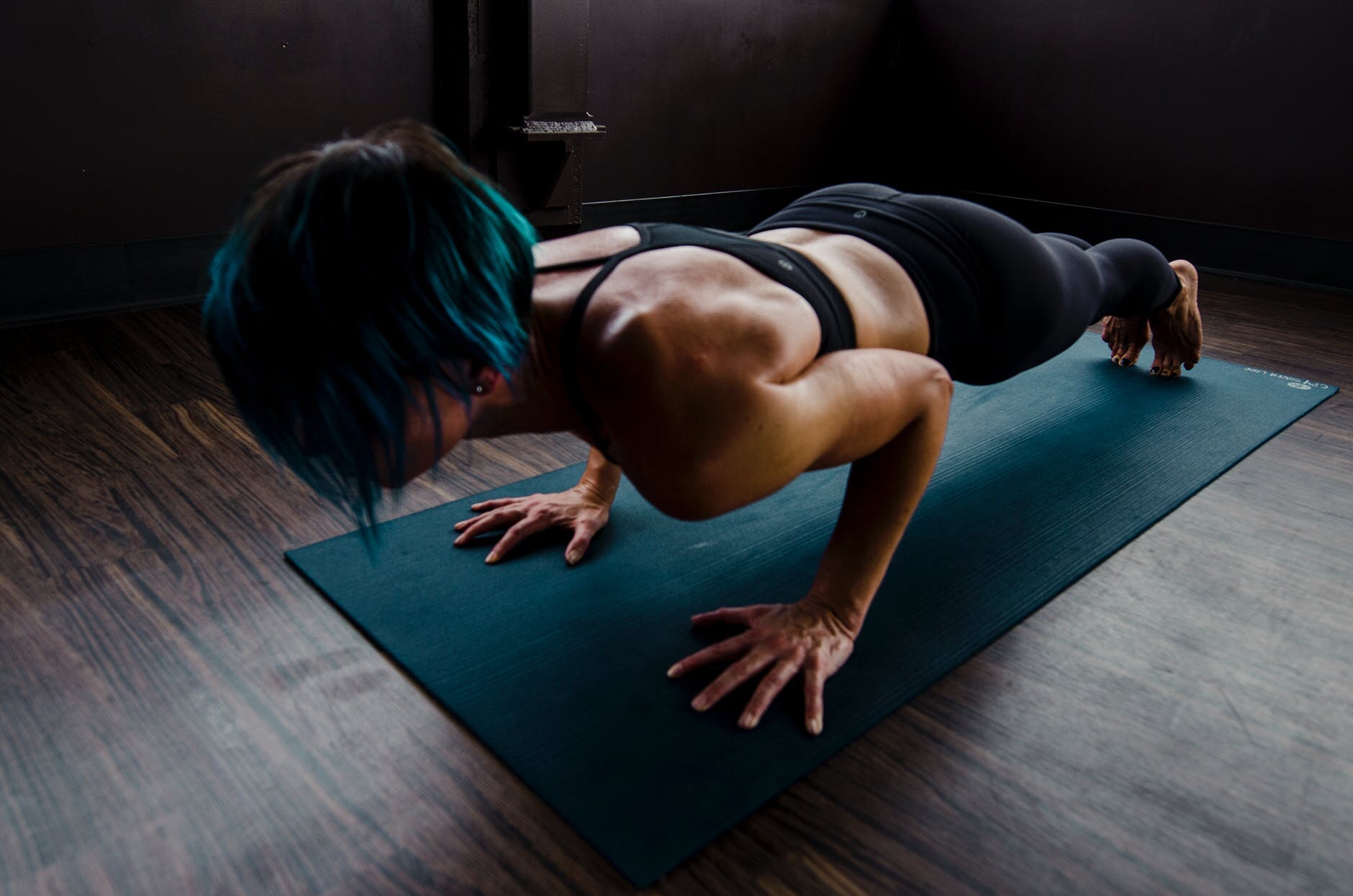
• PUSH-UP: A push-up is nothing more than a means of getting off the floor.

Click for push-up demonstration

• DEADLIFT: Whenever you pick up anything from the ground, you are performing a deadlift.

Click for deadlift demonstration

• PLANK: A plank recruit the entire body to create tension of the core which helps keep the back healthy and strong. Planks are a core-stabilizing exercise.

Click for plank demonstration

Here’s to maintaining mobility and functional movement for healthy living.

Special note and disclaimer: Anyone can do functional exercises. However, if you haven’t exercised for some time or have health problems, or pregnant, it’s a good idea to check with your doctor before starting any new exercise program.

Green Smoothie Fuel

Celery, apple. Bananas green smoothieThis light but powerful green smoothie treat fueled my body and helped me make it through a super busy week without feel sluggish and able to get the many task at hand done.

My past few weeks have been extremely busy at work and I wasn’t doing too well with my nutrition choices and I paid for it. I felt more tired, sluggish, needed naps, had more bloating and indigestion. This week I vowed to do better.

Making a conscious decision to live healthy is a combination of things with exercise and nutrition as two of the important things. Since I knew I wouldn’t have the time to get in as much exercise, I tried to at least make better nutrition decisions to compensate.

I started my week with a fruit and veggie green smoothie that included celery, apple, bananas and water. I made the mistake of using coconut water and ice cubes. It wasn’t so good. But the next time I omitted the coconut water, no ice, more water and added a little almond milk, Greek yogurt, and kale. So much better!

This smoothie kept me feeling full and I didn’t grab bad snacks like chocolate or chips that would have given me a quick pickup and a drastic fall once the sugar rush wore off. And I must say my stomach feels so much better, less bloating and no indigestion.

What’s your favorite smoothie or how you stay healthy and make better nutrition choices during really busy days?