 It’s funny how we take some of the daily life activities like movement for granted. I remember when I was younger my body moved with ease. There was no problem with bending, twisting, squatting, lifting, pushing, and pulling. My body moved in alignment with all the other body parts. For most, that is how it is. We were able to do basic functional movements without thinking, well we still kind of do. But when we’re younger our bodies moved with less effort and without aches and squeaks. But things change. We’ll notice as I get older we may have to put a little more effort in our movements; not to mention have a few aches, pains, and squeaks accompany our movements 🙄. Have you ever wondered why this happens, other than just aging, and how we may be able to improve our functional movement as we age?
First, let’s define what is functional movement? Functional movement is the ability to move the body with proper muscle and joint function for effortless, pain-free movement. This includes movement during sports and daily activities like squatting to sit in a chair, carrying bags, and pushing a shopping cart. Maintaining efficient biomechanics is important to good health and avoiding injury.
Second, why does our functional movement decrease and we start experiencing aches and stiffness when we move? Our bodies are a beautifully and wonderfully designed machine made to move, where all the parts are intended to work together. Our bodies are more than a series of parts—head, arms, legs, etc.
When we were younger we moved more. Most of us participated in physical education everyday in grade school. This activity helped keep our bodies moving and stimulated our muscles. Similar to a car getting a regular oil change to keep the engine lubricated and moving smoothly. However, over time we develop dominant and weaker muscles. As we get older life happens. We become more sedentary due to long hours at work and no time for activities. The lack of physical activity can increase poor muscle use habits. Not to mention that our muscle mass and strength will decrease 30-50% between the ages of 30 and 80. This means that on average we start losing the ability to perform everyday functions as soon as we hit middle-age. Then there are injuries or accidents that can further limit the body’s ability to develop in a well-balanced manner. When any part of the body experiences pain, there’s a good chance that some part of the body’s functional movement system has been compromise. It might be a weakness, muscle imbalance, poor functioning joint, limitation in strength, or flexibility. Its these poor functioning joints, weakness, and tightness that creates aches, pains, and squeaky joints.
Last, how can we improve our mobility and functional movement? Our bodies were made to move. To improve mobility and functional movements our bodies need to move properly together. Functional fitness training can help. I have noticed that the more I move and develop my functional movements through functional exercises that I become more flexible and stronger, allowing me to move better.
Functional fitness exercises train our muscles to work together and prepare them for daily task by stimulating simple movements we do at home, at work, or in sports. While using various muscles in the upper and lower body at the same time, functional fitness exercises also emphasize core stability. Did you know a squat is a functional exercise? A squat trains the muscles used when you rise up and down from a chair or pick up low objects. By training your muscles to work the way they do in everyday tasks, you prepare your body to perform well in a variety of common situations.
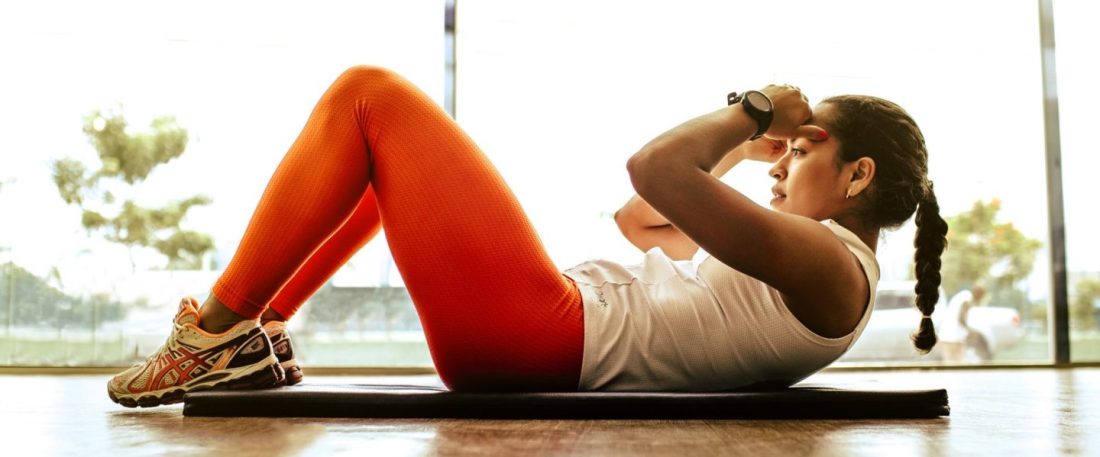
We can do functional fitness exercises at home or at the gym; using body weight, resistance bands or dumbbells movements. pushups, situps, planks and squats.
Below are just a few exercises: squats, pushups, deadlifts, and planks.
• SQUAT: You have to squat to get on and off your couch, or toilet.
• PUSH-UP: A push-up is nothing more than a means of getting off the floor.
Click for push-up demonstration
• DEADLIFT: Whenever you pick up anything from the ground, you are performing a deadlift.
Click for deadlift demonstration
• PLANK: A plank recruit the entire body to create tension of the core which helps keep the back healthy and strong. Planks are a core-stabilizing exercise.
Here’s to maintaining mobility and functional movement for healthy living.
Special note and disclaimer: Anyone can do functional exercises. However, if you haven’t exercised for some time or have health problems, or pregnant, it’s a good idea to check with your doctor before starting any new exercise program.

 Fitness For Healthy Living by Connie B.


