Featured

Want Stronger Bones? Exercise Regularly

Breaking a bone ranks high on the list of fears people have after age 50 or so.
 
Arthritis is increasingly common.
 
And while osteoporosis is most common among older women, it can occur in anyone.
 
Still, many people worried about bone health don’t realize that they can take steps to improve it. And one of the best things anyone can do for stronger bones is simple: Exercise.
 
It’s not just us talking. Science is clear about this.

The Role Exercise Plays

“Exercise works by improving muscle mass, strength, balance and coordination,” says the National Institutes of Health.

“Research indicates that postmenopausal women who engage in the comprehensive exercise program, benefit by maintaining a healthy body, bone density levels, and good mental health,” the US government agency says. “Osteoporosis, the greatest ailment in older women, can be kept under control with exercise.

“Even a moderate exercise schedule can not only keep the weight in check, but it also lowers the risk of stress, anxiety, and depression.”

In the United Kingdom, a new effort is underway to promote awareness about osteoporosis – including the powerful role exercise can play against it.

The Royal Osteoporosis Society (ROS) has announced an ambitious new four-year strategy. This is a response to “record demand” for help during the pandemic, the society says.

“Half of women and a fifth of men over 50 will suffer a fracture (broken bone) because of osteoporosis,” it says. In the UK, “There are over half a million fractures every year because of the condition. As many people die from fracture-related causes as from diabetes and lung cancer.

“Osteoporosis is treatable and fractures preventable. With an early diagnosis and the right treatment plan, people affected can live well.”

What Causes Weaker Bones

Osteoporosis, which means “porous bones,” causes bones to thin and weaken, leaving them at greater risk of breaking. About 2 million fractures in the US each year are due to osteoporosis.

Most people who have it are women, largely due to hormonal changes that come with menopause.

What can you do about it?

First, talk to your doctor about exercise and nutrition, particularly protein, Vitamin D and calcium.

Strength training is crucial to developing bone strength and density. It also improves balance to lower the risk of falling.

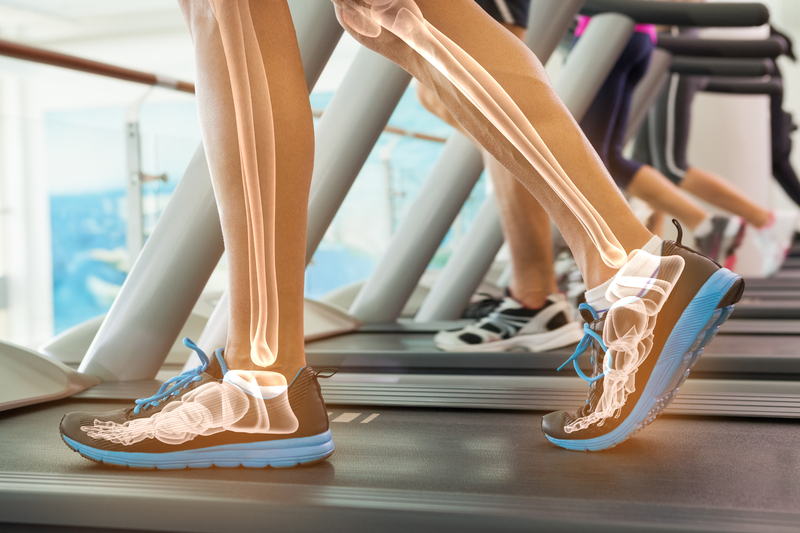
And low-impact exercise on your feet is also recommended. That includes walking, dancing, elliptical trainers, stair climbing and gardening.

For arthritis, we also need to discuss mobility exercises that take your joints through their complete range of motion.

And if you’re expecting joint replacement surgery, then “pre-habbing” with exercise is often important to recovery.

Our bodies change as we age, and that’s OK. In fact, we should celebrate it with targeted, effective exercise that helps us make the most of where we are in life.

I am here to help keep you moving in the right direction. Contact me today.

Additional sources: WebMD, Mayo Clinic

4 Strategies for Developing an Appreciation for Exercise

Do you truly enjoy exercising? Or does it seem more like a chore? If the thought of putting your body through strenuous drills is keeping you from working out, then it’s time to switch things up.

With some willpower and focus, you can jumpstart your new relationship with exercise today! 

Exercise is a necessity in order to maintain good health. Now you just need to find a way to make it more enjoyable! You can learn to develop an appreciation for exercise if you take the time to incorporate activities you enjoy.

Try these strategies to help change your mind-set about exercise: 

  1. Find an activity or sport you love. One of the simplest ways to ensure you get a great workout is to choose something you enjoy doing. That could mean identifying a sport that you’ve played leisurely or trying out a new activity. Remember you burn calories through movement, so you’re really not restricted to time in the gym! Plus not everyone is ready to go back to the gym yet.
    • Gardening is an excellent form of exercise and calorie burner. To the the garden lovers out there, even the less strenuous forms of garden upkeep like pulling weeds, trimming, and raking can burn about 300 calories an hour and improve muscle tone and strength.
    • Walking and dancing are good cardio exercises that also burns calories. Dancing can also improve coordination, agility , and flexibility.
    • You can also try other options like racquet sports, golfing, and swimming or water aerobics that are excellent calorie burners and helps build strength and endurance.
  1. Reward yourself after completing a challenge. Before you start working out, set goals for yourself with accompanying rewards.
    • Knowing that there’s something enticing waiting for you at the end of an exercise session can motivate you to get through it.
    • Pamper yourself with manicures, pedicures, facials, or massages after you’ve made it through a grueling workout or reached a specific fitness goal. Taking a day off from the gym is also a great reward.
  2. Incorporate a favorite pastime into your workouts. Focusing on something enjoyable while exercising can be a welcome distraction from the physical challenges. Then you’re done before you know it!
    • When walking on the treadmill, plug in your earphones and blast your favorite tunes on your iPod or MP3 player. Listening to music is a great diversion that can also be very energizing.
    • Bring a book to read during that first 30 minutes on the spinning bike. This will keep the muscle burn from feeling so intense. A great suspense novel could be the perfect choice so that you’re completely engaged.
  3. Focus on your health. The easiest way to develop an appreciation for exercise is to consider the benefits to your overall health. Keep in mind that exercise helps maintain healthy vitals. On the other hand, limited exercise can result in developing ill health.
    • Are you genetically prone to high cholesterol or hypertension? Check your family history to find out. Remaining active will keep your risks minimal or non-existent.
    • Note how you’re feeling when exercise is a regular part of your daily life. You’ll find that you’re more energetic and your mind is sharper.

Take a shot at these strategies and you’ll see that in no time, exercise will be more like an enjoyable part of your day and less like an undesirable imposition. Even when it’s difficult, give your body the treatment it deserves.

Discover the Facts About Sugar, Salt, and Which One is Worse

You may have heard the debates about sugar and salt. Which one is worse for your body and more important to limit or avoid? The key is moderation for both sugar and salt, but research shows that sugar may be slightly worse than salt.

Learn more about sugar and salt:

  1. Why you crave sugar and salt. Many people find it hard to stop eating sugary or salty food.
    • Salty pretzels and chips, or sugary soda and candy can be hard to avoid. They’re both tempting and delicious, but they can wreak havoc with your nutritional eating habits.
    • You may be craving sugar and salt for several reasons. If you’re dehydrated, you may crave salt. Your muscles may also be craving salt. On the other hand, if you haven’t eaten in hours or you are starving, you may crave sugar. The brain can crave sugar too.
  2. Why sugar is dangerous. An excess amount of sugar increases the risk of obesity. It’s also tied to diabetes, cardiovascular disease, and other health issues.
    • Kidney failure, strokes, and heart attacks are possible from eating excess sugar.
  3. Why salt is dangerous. Too much salt is usually associated with the risk of high blood pressure. If your blood pressure is too high, the risk of heart attacks and strokes increases significantly.
    • An excess amount of salt may also cause fluid buildup in the body.
  4. Is sugar more dangerous? Some experts believe that sugar is more dangerous because it can cause more issues and lead to more serious long-term health concerns.1
    • Although some believe that sugar is worse for you than salt, it’s crucial to remember that both can cause issues if you eat too much. It’s important to consume both salt and sugar in moderation and monitor your levels.
  5. Look for hidden sources of sugar and salt. You probably don’t add extra sugar to your food all the time. The same thing may be true for salt. However, you may be getting both of them from hidden sources.
    • Prepackaged meals and snacks tend to be filled with high levels of sugar and salt. Manufacturers add them to improve the taste and flavor, but your health is affected. Before you buy a processed food, take time to read the label to see how much sugar and sodium is inside.
    • Beverages are another source of too much salt and sugar. Have you stopped to consider what’s inside your favorited drink? Vegetable juices such as tomato juice tend to have a lot of sodium. On the other hand, fruit juices can be loaded with sugar.
    • Restaurant and fast food meals also have a huge amount of salt and sugar. The companies do this to make you love their food and come back for more. You may not realize how much is in the food because you can’t always get the ingredient list or see the full menu. Go ahead and ask them what’s in your food! You’ll be more informed.

Limiting your sugar and salt intake is essential for your health. However, eating too much sugar may hurt you even more than having too much salt. If you’re worried about negative health effects from the amount of sugar and salt you consume, consult your doctor for safe amounts.

1 DiNicolantonio JJ, Lucan SCThe wrong white crystals: not salt but sugar as aetiological in hypertension and cardiometabolic diseaseOpen Heart 2014;1:e000167. doi: 10.1136/openhrt-2014-000167

10 Simple Tips How To Be Good To Your Body and Boost Your Health

Featured
Photo by Tim Savage on Pexels.com

The human body is an amazing machine. Appreciate your body for housing you. When you treat it right and it will treat you right. Of course in the daily grind or a crisis it can be easy to forget the importance of living a healthy life and appreciating your body. But there are so many simple things you can do to support a healthy living for your body, to enhance your overall health that don’t require money or a trip to the doctor.

Healthy people make more healthy choices each day. Although your health isn’t entirely under your control, you do have a lot of influence on the matter. Simple habits, repeated consistently, can profoundly impact your health in a positive way.

Use these strategies each day and reap the benefits of a healthier body:

  1. Be active. Active people are healthier and live longer. That doesn’t mean you have to spend all day at the gym. It just means that you can’t spend all day sitting around. Get moving – your body will be so glad you did!
    • Have some activities planned each week that require you to think and move. Get in at least 30 minutes of exercise or movement per day, five days a week. For example: At home workouts. Plant a garden. Volunteer. Walk around the park. Dance to your favorite music or a class.
  2. Drink more water. Too many people fail to drink enough water each day. There are a lot of options more exciting than water, but water is what your body requires. Over half of your body weight is water, so drink more of it and skip the other beverages 90% of the time. Drink at least half your body weight in ounces of water per day.
    • Some healthy options, such as green tea and watery fruits like watermelon, will help hydrate you as well.
  1. Get sufficient sleep. Over one third of the adult population fails to get enough sleep. In a society that prides itself on working harder and getting less sleep than the next person, it can be challenging to make sleep a priority. However, getting enough sleep – 7 to 9 hours for most adults – will strengthen your health.
    • Getting enough sleep enables you to work and pursue your passions vigorously. It rejuvenates your body, mind, and attitude. You should have an ergonomically correct mattress and pillow to ensure you get the best sleep possible.
  1. Manage stress. Stress is one of the primary obstacles of good health. It detracts from the amount and the quality of your sleep. The hormones and other chemicals produced during stress are damaging to the mind and body.
    • Find relaxation practices that work for you and use them each day. Healthy options include meditation, listening to soothing music, partaking in hobbies that make you happy, and warm baths. My go to when I need to de-stress is soothing music and meditation.
  2. Stay away from sick people. People with communicable diseases like a cold, flu, coronavirus, and more can make you sick. Some communicable diseases can permanently destroy your health.
    • When others are sick, stay away as much as possible and use precautions such as masks and gloves around them. Of course, washing your hands thoroughly when you’re around them and when you leave helps immensely to stop the spread of the germs.
  3. Be sociable. With very few exceptions, everyone needs to have some social contact to stay emotionally healthy. How much social contact is needed varies greatly from one person to the next.
    • Find the right level for you and ensure that you’re maintaining it.
  4. Keep your brain active. In today’s world, it’s easy to fall into the trap of mindless internet surfing, watching TV, and playing silly games on your smartphone. Do something that challenges your brain.
    • Playing chess, sudoku, Go, crossword puzzles, bridge, and other mentally challenging games can be a great way to keep your brain healthy and sharp.
  5. Eat nutritious real food. Real food is anything you can buy and consume in its natural state. Fruit, vegetables, nuts, meat, and beans are examples of natural foods. Eat what your body was designed to eat, and you’ll be much healthier.
    • Cookies, chips, cereal, candy and other pre-processed foods are full of chemicals that are detrimental to your health.
  6. Affirm the positive.  Having a positive mindset is the key to living a fulfilling life. Believe it or not but your attitude and thinking positively rather than allowing negative things to rule your mind and body is important to both our happiness and health. The use of positive affirmations can often remind you about how important it is to take care of yourself.
    • A good affirmation encourages you to live the healthiest lifestyle possible and be the best that you can be.
  1. See your doctor. See your doctor regularly, regardless of how you feel. That includes the dentist, too.
    • There are plenty of serious diseases that don’t impact how you feel until they’ve done damage to your body. Diabetes, hypertension, and high cholesterol are just a few examples of serious issues that frequently don’t present any symptoms at first.

You don’t have to exercise for hours, drink magical protein concoctions, or limit your diet to raw vegetables to be a healthy person. Do the simple and relevant things regularly and let your body, mind and soul reap the rewards. You are worth it!

Stronger Together!

Connie

Follow Me on Social Media: